Smart buildings are considered the future of modern building development.
February 12, 2026
Why smart buildings are often built dumb
Modern technologies now enable an almost complete integration of highly diverse systems - from building automation and energy management to sensor technology, security solutions, and digital control systems.
The technological possibilities are enormous. Yet in practice, a very different reality often emerges: many smart buildings turn out to be far less intelligent in daily operation than originally intended. Systems fail to interact seamlessly, processes become more complicated instead of simpler, and operators are confronted with increasingly complex technical structures.
The root cause is often not the technology itself
The real challenge arises where different trades, technologies, and stakeholders need to be brought together.
Modern buildings today consist of a wide range of technical systems and interfaces. Different manufacturers, software platforms, integrators, and specialist disciplines work simultaneously on individual parts of the project. Without clear coordination, alignment issues, overlaps, and integration gaps quickly emerge. Many problems therefore arise not within individual systems, but precisely at the interfaces between them.
In addition, smart building projects are often delivered under significant time and cost pressure. In many cases, the focus is placed heavily on innovation, design, and technical features, while long-term operation, maintainability, and system stability are only considered at a later stage. The result is solutions that may appear impressive on paper, but become unnecessarily complex in everyday operation.
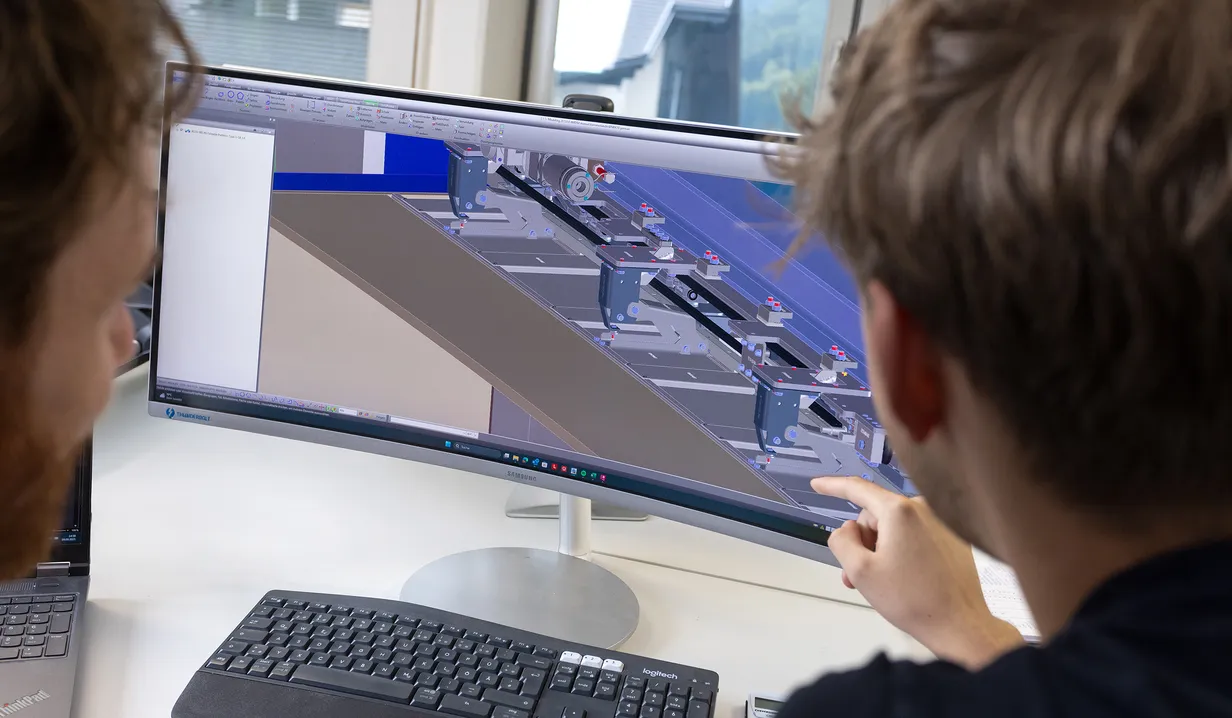
Professional project management today goes far beyond scheduling and cost control. Especially in complex technical projects, the real challenge lies in aligning different requirements, trades, and stakeholders at an early stage while understanding the project as one integrated system. Clear responsibilities, structured communication, and precise interface coordination become critical success factors.
An integrated approach is particularly important in this context. The more complex technical systems become, the more essential it is to view interactions holistically. Individual components may function perfectly on their own — but if the integration between systems is not carefully planned, long-term inefficiencies and operational issues inevitably arise.
This is exactly why professional project management is becoming increasingly important in modern smart building projects. Successful projects are not created through innovative technologies alone, but through the ability to manage technical complexity in a structured, sustainable, and operationally reliable way.

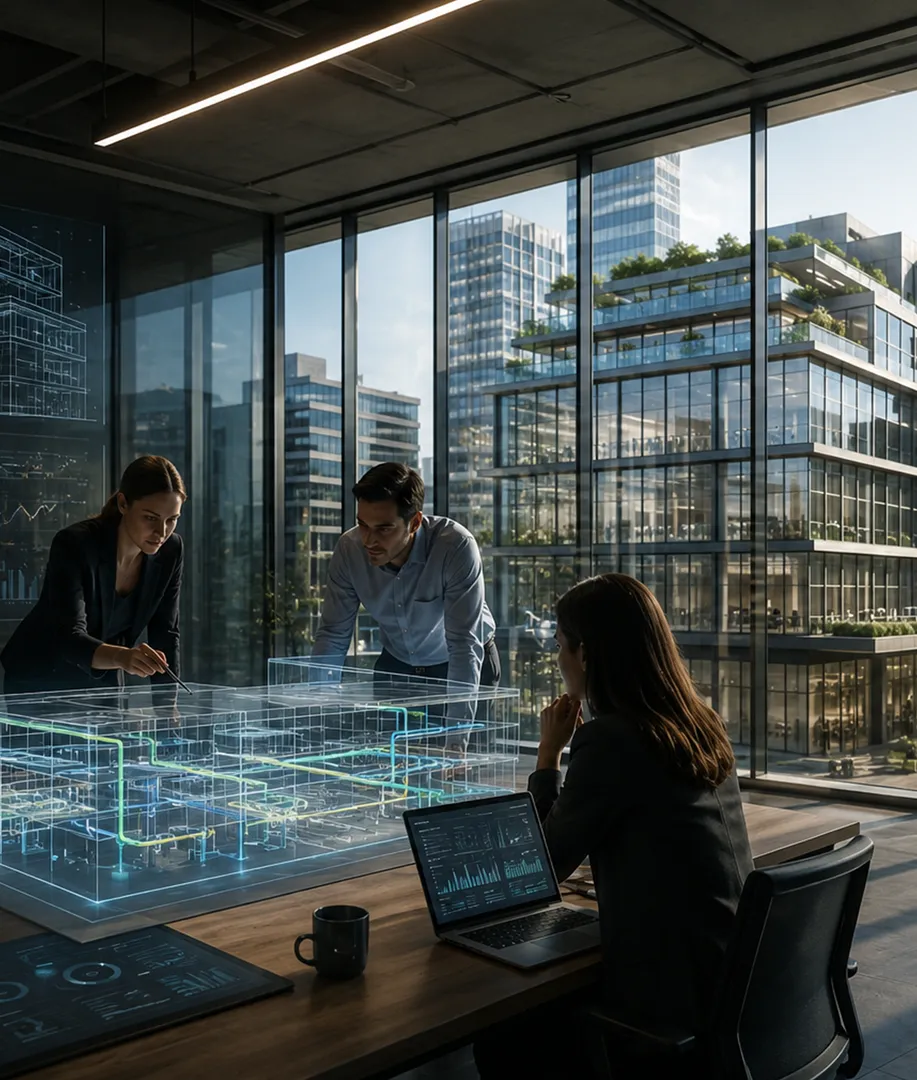
Smart - a whole system
At esto, we therefore do not see smart buildings merely as a technological challenge, but as an integrative task that requires a holistic approach.
Our focus is on coordinating and implementing complex technical systems in a way that creates stable, maintainable, and efficiently operable solutions over the long term. At esto, we consciously invest heavily in clear, structured, and scalable processes to ensure that complex projects are not only technologically innovative, but also efficient, transparent, and professionally manageable throughout their entire lifecycle.
Because true intelligence is not created through technology alone, but through the professional interaction of all parties involved.
The result goes beyond customer satisfaction: our clients are genuinely enthusiastic and continue to return to us with new, often even more ambitious ideas and challenges.
If you have any questions or would like to challenge us with an exceptional project, feel free to contact us at info@esto-innovation.eu.
Would you also like to benefit from our experience?
Schedule a non-binding consultation with our experts now. Together, we will identify the first possibilities for the optimum implementation of your project.